

Friends, if you’re seeking ‘Bible verses About Consuming Alcohol,’ this content is for you. Today, I share Bible verses that will help you better understand alcohol consumption according to the Scripture. These passages offer insight into the Biblical perspective on drinking, from warnings about excess to mentions of wine in positive contexts. Whether you’re curious about the Bible’s stance or seeking guidance, these verses will provide a comprehensive view of alcohol in Biblical teachings.
Contents
- 1 Introduction
- 2 What Does the Bible Say About Drinking Wine?
- 3 Biblical Perspectives on Moderation vs. Drunkenness
- 4 Old Testament References to Alcohol Consumption
- 5 New Testament Teachings on Drinking
- 6 Is Drinking Alcohol a Sin According to Scripture?
- 7 Biblical Wisdom for Christians Regarding Alcohol Use
- 8 Conclusion
Introduction
Dear friends, welcome to our message on the topic of alcohol consumption as discussed in the Bible. This is a subject that is relevant to many of us, and it’s important to approach it with open hearts and minds. If you find this discussion helpful, consider sharing it with others who might benefit from it.
The Bible provides a balanced view on alcohol, acknowledging both its potential for enjoyment and its dangers when misused. It doesn’t outright ban drinking, but it does offer guidance on moderation and warns against the perils of excess. Let’s explore how alcohol is portrayed in the Scriptures, understanding that it can be a source of joy as well as a potential stumbling block, depending on its use.
Joyful Celebrations and Wine
Throughout the Bible, wine is often associated with celebrations and religious ceremonies. It is seen as a gift that can bring joy when used appropriately. For example, Jesus’ first miracle at the wedding in Cana, where He turned water into wine, highlights the role of wine in joyful occasions. Similarly, there are songs and psalms that praise God for the gift of wine that gladdens hearts.
However, with this gift comes the responsibility of using it wisely. A glass of wine can be a part of God’s blessings, but drinking excessively can lead to negative consequences. It’s about finding the balance between appreciation and overindulgence.
Moderation vs. Excess
The Bible repeatedly emphasizes the importance of moderation. While enjoying a drink in a suitable context isn’t inherently wrong, the Bible strongly cautions against drunkenness and its repercussions. Losing control through excessive drinking can lead to poor decisions, harmful actions, and strained relationships.
One apostle advises believers not to get drunk, as it leads to debauchery. Instead, he encourages us to seek fulfillment and joy from a deeper source—the Holy Spirit. This highlights that our primary satisfaction should come from our relationship with God, not from temporary pleasures like alcohol.
Old Testament Insights
The Old Testament contains various stories and teachings about alcohol. Some passages warn about the dangers of strong drink, while others include wine in celebrations or offerings to God. For instance, after the flood, Noah planted a vineyard, got drunk, and faced embarrassing consequences. This story serves as a warning about the pitfalls of overindulgence.
Conversely, wine was sometimes a symbol of God’s blessing. The Israelites were instructed to bring wine as part of their offerings, reflecting gratitude and worship. These varied perspectives remind us that alcohol itself isn’t evil, but its misuse can lead to problems.
New Testament Teachings
In the New Testament, responsible alcohol use and self-control remain important themes. Jesus drank wine and used it as a symbol of His sacrifice during the Last Supper. However, He also warned about the dangers of drunkenness and the importance of being prepared for His return.
The apostle Paul advised a young leader to drink a little wine for health reasons, indicating that moderate alcohol consumption wasn’t forbidden. Yet, Paul also listed drunkenness among the behaviors that go against God’s will. The overarching message is clear: while drinking isn’t prohibited, it should be approached with wisdom and moderation.
Is Drinking Alcohol a Sin?
Many wonder if alcohol consumption is considered sinful in the Bible. The short answer is that the Bible doesn’t label all alcohol use as sin. However, it strongly warns against drunkenness and misuse. Being controlled by alcohol, rather than by the Holy Spirit, is seen as sinful and detrimental.
For some, abstaining might be the wisest choice, especially if they struggle with temptation or have a family history of alcoholism. For others, moderate and responsible drinking may be acceptable. The key is to reflect on our motives, be honest about our limitations, and prioritize our relationship with God and others.
Wisdom for Believers
As followers of Christ, we are called to approach every area of life, including alcohol use, with wisdom. The Bible encourages us to be sober-minded and alert, ready to serve God and others. This doesn’t mean everyone must abstain but suggests being cautious about how much we drink and in what settings.
We should also consider the impact of our actions on others. One apostle wrote about not causing others to stumble through our behavior. If our drinking might tempt someone else or harm our witness for Christ, abstaining could be the best course of action. Our ultimate goal should be to honor God in all we do.
In conclusion, the Bible’s teachings on alcohol are nuanced. It acknowledges wine as a divine gift that can bring joy when used properly but also warns against the dangers of excess. As believers, we’re called to approach this issue with wisdom, self-control, and love for others. Whether we choose to drink moderately or abstain, our primary focus should be on living in a way that glorifies God and serves others.
May God grant us wisdom as we reflect on these teachings and apply them to our lives.
What Does the Bible Say About Drinking Wine?
Wine has played a significant role throughout biblical history, often used in celebrations and religious ceremonies. The Bible acknowledges wine as a blessing but also warns of its potential misuse. Understanding the balance between appreciation and excess is key. Let’s explore some verses that illustrate the Bible’s perspective on wine.
“When they wanted wine, the mother of Jesus saith unto him, They have no wine”
— John 2:3
“Wine that maketh glad the heart of man, oil to make his face to shine, bread which strengtheneth man’s heart”
— Psalm 104:15
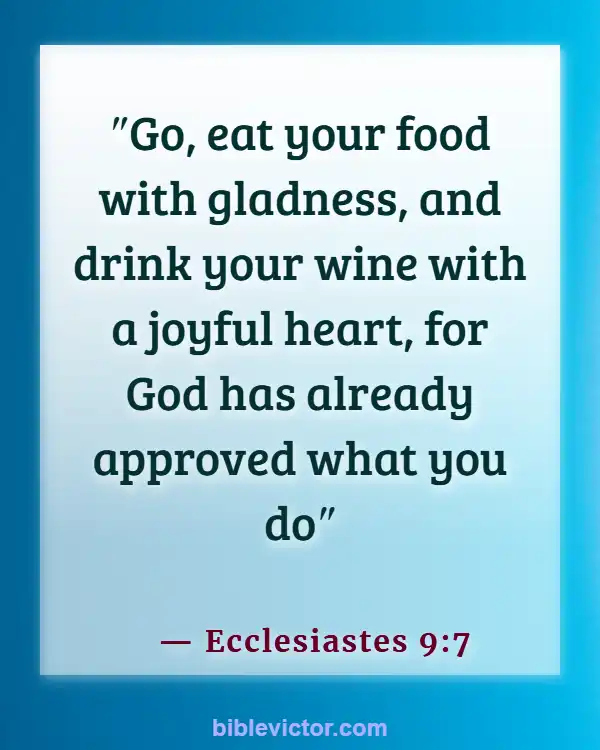
“Go thy way, eat thy bread with joy, drink thy wine with a merry heart; for God now accepteth thy works”
— Ecclesiastes 9:7
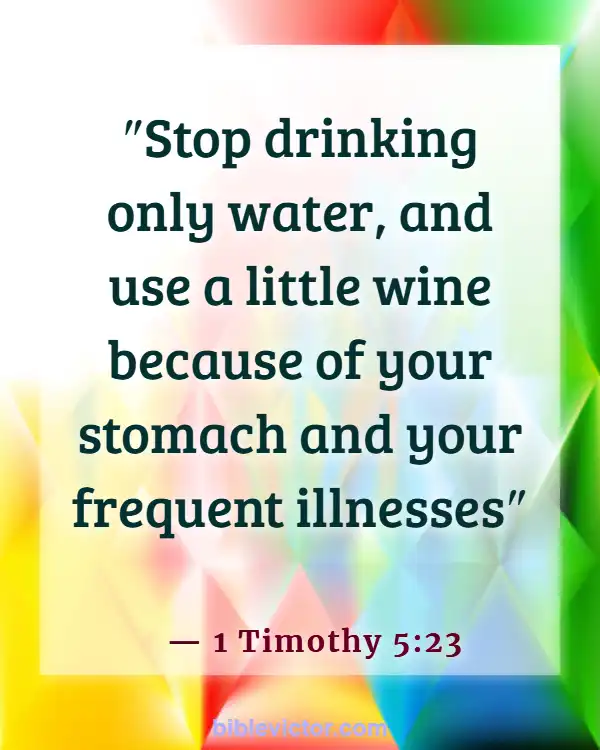
“Drink no longer water, but use a little wine for thy stomach’s sake thine often infirmities”
— 1 Timothy 5:23
“So shall thy barns be filled with plenty, thy presses shall burst out with new wine”
— Proverbs 3:10
Biblical Perspectives on Moderation vs. Drunkenness
Moderation is a recurring theme when it comes to consuming alcohol in the Bible. While enjoying a drink can be part of a joyful occasion, it’s important to avoid overindulgence, which leads to drunkenness and poor decisions. Here are some verses that highlight the importance of moderation over excess.
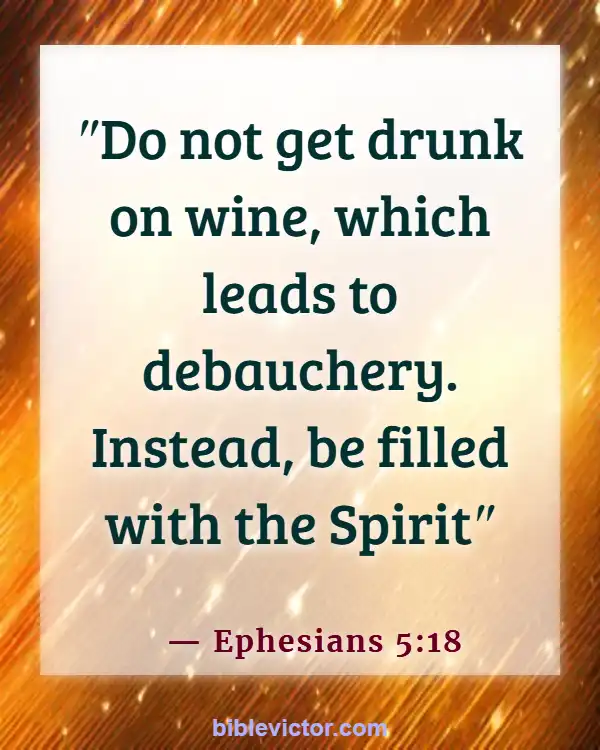
“Be not drunk with wine, wherein is excess; but be filled with the Spirit”
— Ephesians 5:18
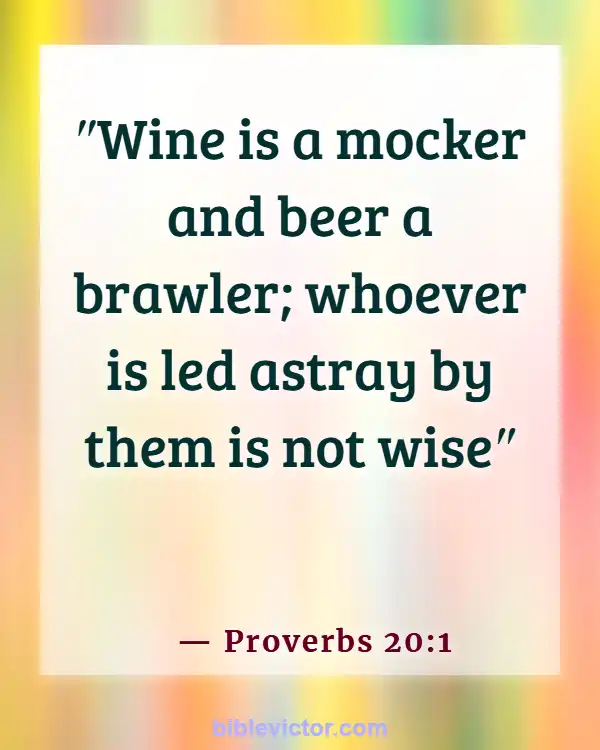
“Wine is a mocker, strong drink is raging: whosoever is deceived thereby is not wise”
— Proverbs 20:1
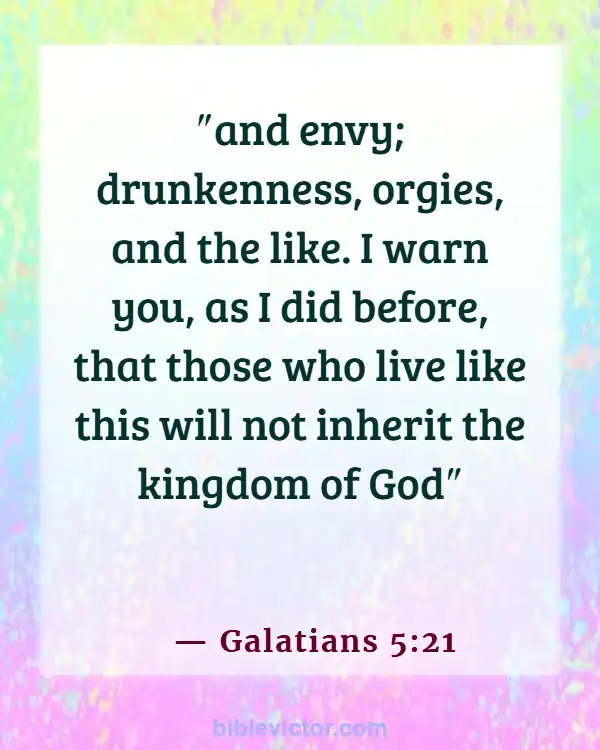
“Envyings, murders, drunkenness, revellings, such like: of the which I tell you before, as I have also told you in time past, that they which do such things shall not inherit the kingdom of God”
— Galatians 5:21
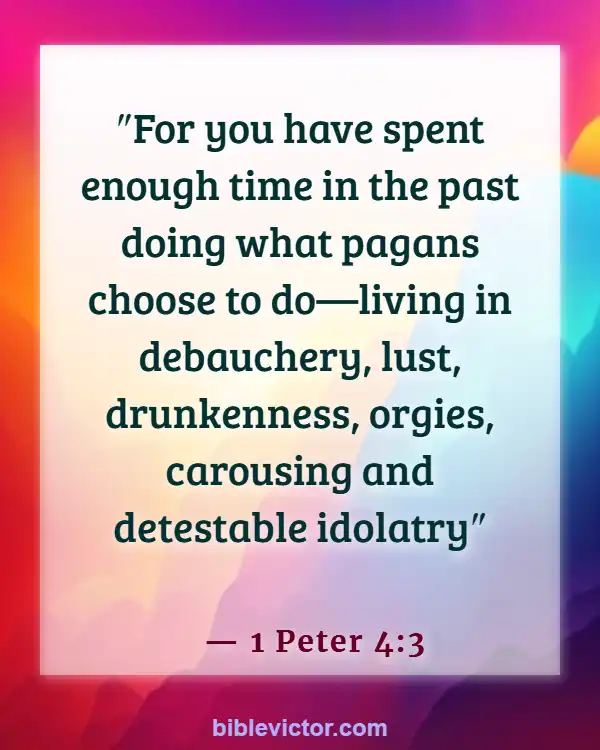
“For the time past of our life may suffice us to have wrought the will of the Gentiles, when we walked in lasciviousness, lusts, excess of wine, revellings, banquetings, abominable idolatries”
— 1 Peter 4:3
Old Testament References to Alcohol Consumption
The Old Testament offers insight into ancient views on alcohol, with stories and teachings that range from warnings about overuse to acknowledging its role in society. These verses provide a glimpse into how alcohol was perceived and used in biblical times.
“He drank of the wine, was drunken; he was uncovered within his tent”
— Genesis 9:21
“Be not among winebibbers; among riotous eaters of flesh”
— Proverbs 23:20
“Woe unto them that rise up early in the morning, that they may follow strong drink; that continue until night, till wine inflame them”
— Isaiah 5:11
“He shall separate himself from wine strong drink, shall drink no vinegar of wine, or vinegar of strong drink, neither shall he drink any liquor of grapes, nor eat moist grapes, or dried”
— Numbers 6:3
“Thou shalt bestow that money for whatsoever thy soul lusteth after, for oxen, or for sheep, or for wine, or for strong drink, or for whatsoever thy soul desireth: thou shalt eat there before the Lord thy God, thou shalt rejoice, thou, thine household”
— Deuteronomy 14:26
“Hannah answered said, No, my lord, I am a woman of a sorrowful spirit: I have drunk neither wine nor strong drink, but have poured out my soul before the Lord”
— 1 Samuel 1:15
New Testament Teachings on Drinking
The New Testament continues the conversation on alcohol, emphasizing responsible use and the importance of self-control. These teachings encourage believers to prioritize their spiritual health and community well-being when it comes to drinking.
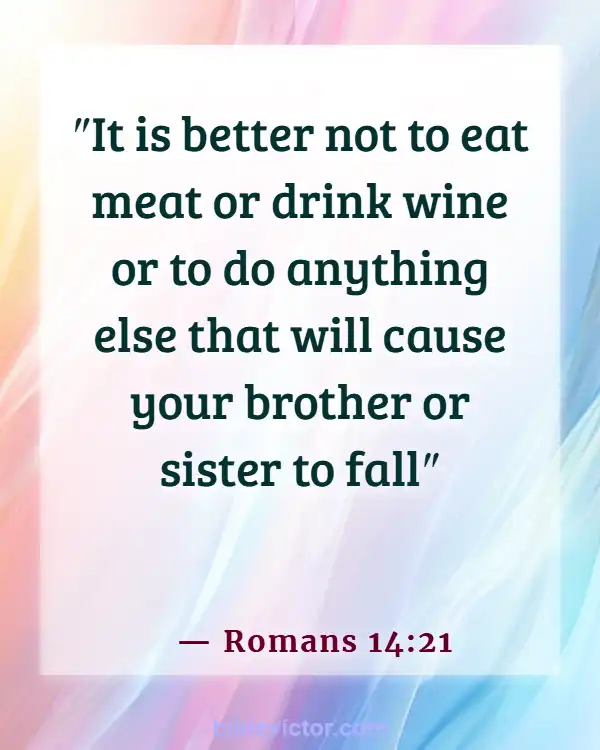
“It is good neither to eat flesh, nor to drink wine, nor any thing whereby thy brother stumbleth, or is offended, or is made weak”
— Romans 14:21
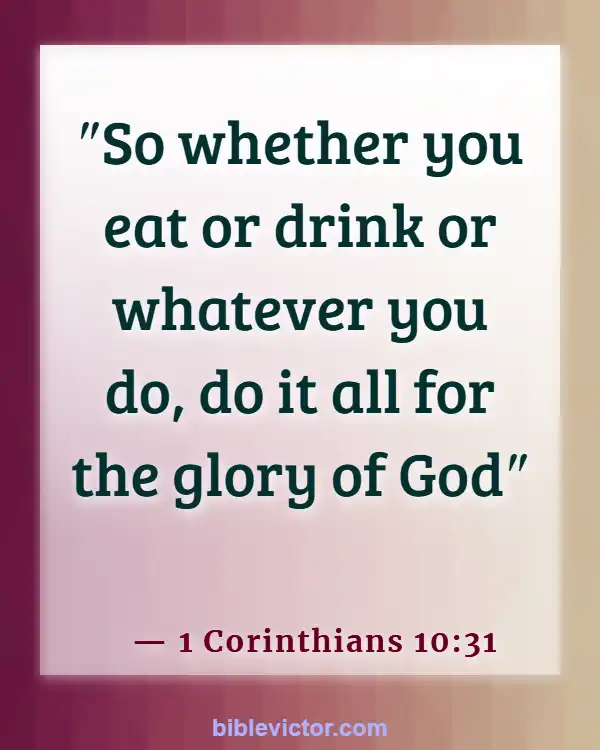
“Whether therefore ye eat, or drink, or whatsoever ye do, do all to the glory of God”
— 1 Corinthians 10:31

“The aged women likewise, that they be in behaviour as becometh holiness, not false accusers, not given to much wine, teachers of good things”
— Titus 2:3
“For they that sleep sleep in the night; they that be drunken are drunken in the night”
— 1 Thessalonians 5:7

“The Son of man came eating drinking, they say, Behold a man gluttonous, a winebibber, a friend of publicans sinners. But wisdom is justified of her children”
— Matthew 11:19
Is Drinking Alcohol a Sin According to Scripture?
The Bible does not explicitly label drinking alcohol as a sin, but it cautions against the dangers of excess and addiction. These scriptures guide us in understanding the nuances of this issue, helping believers make informed, personal choices.
“Nor thieves, nor covetous, nor drunkards, nor revilers, nor extortioners, shall inherit the kingdom of God”
— 1 Corinthians 6:10
“Now the works of the flesh are manifest, which are these; Adultery, fornication, uncleanness, lasciviousnessIdolatry, witchcraft, hatred, variance, emulations, wrath, strife, seditions, heresiesEnvyings, murders, drunkenness, revellings, such like: of the which I tell you before, as I have also told you in time past, that they which do such things shall not inherit the kingdom of God”
— Galatians 5:19-21
“Who hath woe? who hath sorrow? who hath contentions? who hath babbling? who hath wounds without cause? who hath redness of eyes?They that tarry long at the wine; they that go to seek mixed wineLook not thou upon the wine when it is red, when it giveth his colour in the cup, when it moveth itself arightAt the last it biteth like a serpent, stingeth like an adderThine eyes shall behold strange women, thine heart shall utter perverse things”
— Proverbs 23:29-33
“But they also have erred through wine, through strong drink are out of the way; the priest the prophet have erred through strong drink, they are swallowed up of wine, they are out of the way through strong drink; they err in vision, they stumble in judgment”
— Isaiah 28:7
Biblical Wisdom for Christians Regarding Alcohol Use
Scripture offers wisdom for Christians on how to approach alcohol with mindfulness and integrity. By focusing on moderation, accountability, and community impact, believers can navigate alcohol consumption in a way that honors their faith and values.
“Likewise must the deacons be grave, not doubletongued, not given to much wine, not greedy of filthy lucre”
— 1 Timothy 3:8
“It is not for kings, O Lemuel, it is not for kings to drink wine; nor for princes strong drinkLest they drink, forget the law, pervert the judgment of any of the afflicted”
— Proverbs 31:4-5
“Whatsoever ye do in word or deed, do all in the name of the Lord Jesus, giving thanks to God the Father by him”
— Colossians 3:17
“But take heed lest by any means this liberty of yours become a stumblingblock to them that are weak”
— 1 Corinthians 8:9
Conclusion
In conclusion, the Bible’s teachings on alcohol consumption offer valuable insights for Christians today. While Scripture doesn’t explicitly forbid drinking, it emphasizes wisdom, moderation, and self-control. The key is to approach alcohol with discernment, being mindful of its potential dangers and our responsibility to honor God with our bodies and choices.
We can apply these biblical principles by examining our motives, considering our influence on others, and prioritizing our spiritual well-being. If drinking becomes a stumbling block or leads to excess, it’s wise to abstain. Moreover, we should be sensitive to those around us who may struggle with alcohol addiction.
Ultimately, our relationship with God should guide our decisions regarding alcohol. We’re called to use our freedom in Christ responsibly, always seeking to glorify God in all we do. By studying these verses and applying their wisdom, we can navigate the complexities of modern life while remaining true to our faith. Whether we choose to drink or abstain, our primary focus should be on living a life that reflects Christ’s love and transforms the world around us.

